
Why Americans Are Clinging to Their Cars Longer Than Ever
In recent years, a notable shift has occurred across the United States as Americans hold onto their vehicles for longer durations than ever before. This growing trend reflects a confluence of distinct elements, ranging from pressing economic challenges to remarkable technological advancements and expanding environmental considerations. Understanding the fundamental reasons behind this transition is vital for recognizing the evolving landscape of everyday transportation. As daily costs rise and engineering improves, typical drivers are reconsidering how they manage their household assets. This behavioral change showcases a profound adjustment in domestic spending habits.
As we explore these connected themes, we aim to illuminate the exact reasons behind this widespread phenomenon and its ongoing implications for the automotive sector. Keeping an older automobile running efficiently requires commitment, but many families are discovering that a solid maintenance plan offers excellent rewards.
Navigate Complex Economic Pressures
The purchase price of brand-new vehicles has increased significantly over the past decade, making new automobile ownership a substantial financial burden for working Americans. This steep rise in retail pricing is driven by the inclusion of advanced technology, mandated safety features, and elevated manufacturing costs. As sticker prices climb, consumers are increasingly deterred from replacing their automobiles, opting instead to maintain their current modes of transport for much longer. To offset these costs, drivers invest in routine car repair services rather than taking on new debt.
The overall cost of living has escalated across the nation, compelling everyday Americans to reassess their long-term financial priorities. With essential housing, medical, and educational expenses rising, consumers are allocating a smaller portion of their monthly income toward vehicular purchases. Instead, they focus on building retirement savings while making sure their older cars receive the necessary care. By relying on professional car repair, families ensure their existing transport remains safe without stretching their budgets. This extended ownership is a strategic way to navigate economic ambiguity.
Rely Upon Improved Vehicle Durability
Advancements in modern automotive engineering have significantly enhanced overall durability, enabling automobiles to run reliably for unprecedented periods. Modern passenger cars are equipped with sophisticated internal systems that ensure better daily performance and remarkable long-term resilience. This engineering excellence reduces the frequency of catastrophic engine breakdowns and the urgent need for complete vehicle replacement. For instance, according to PartsTech, the typical vehicle driven today now reaches an age of 12.5 years before being retired. This prolonged lifespan encourages owners to hold onto familiar vehicles.
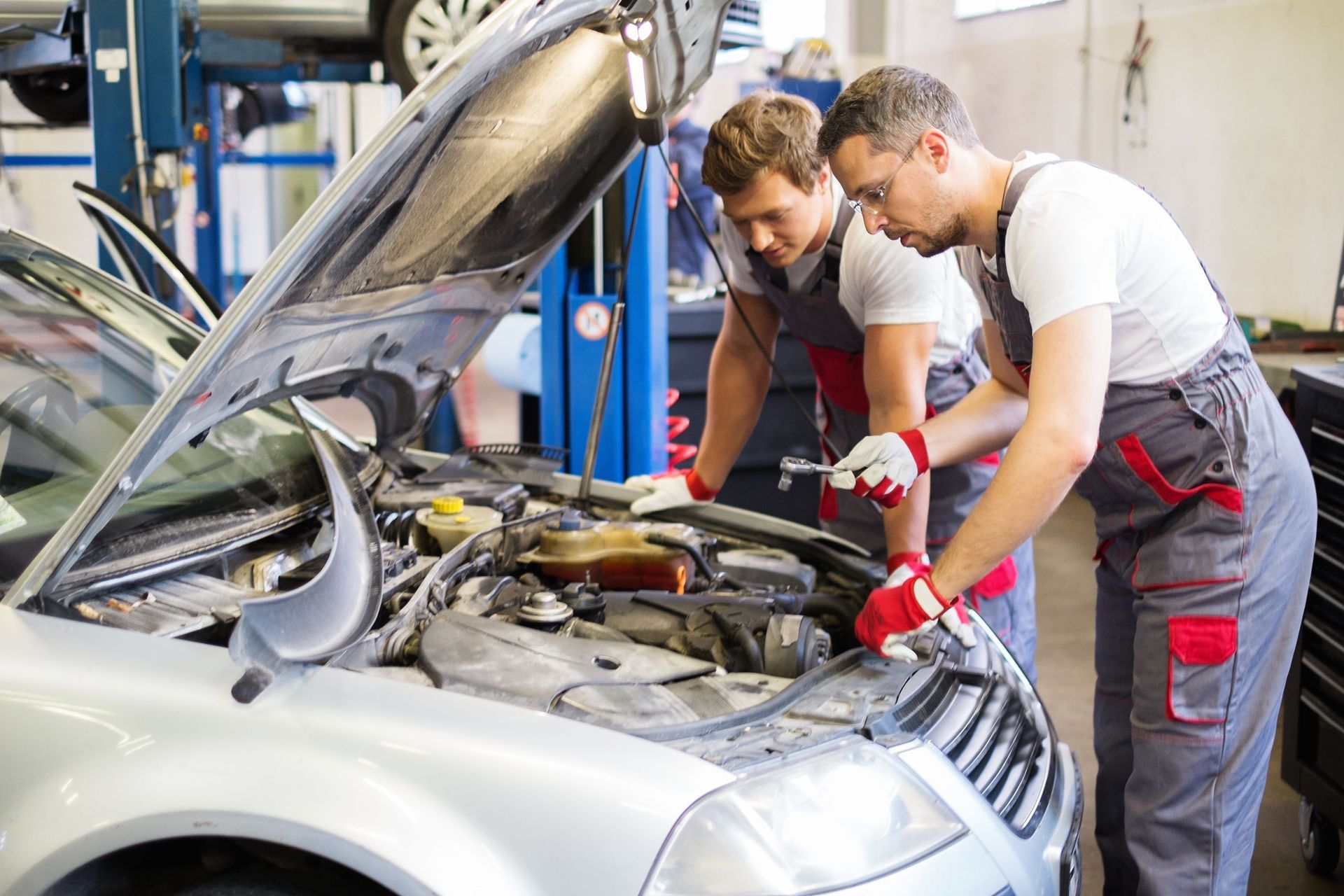
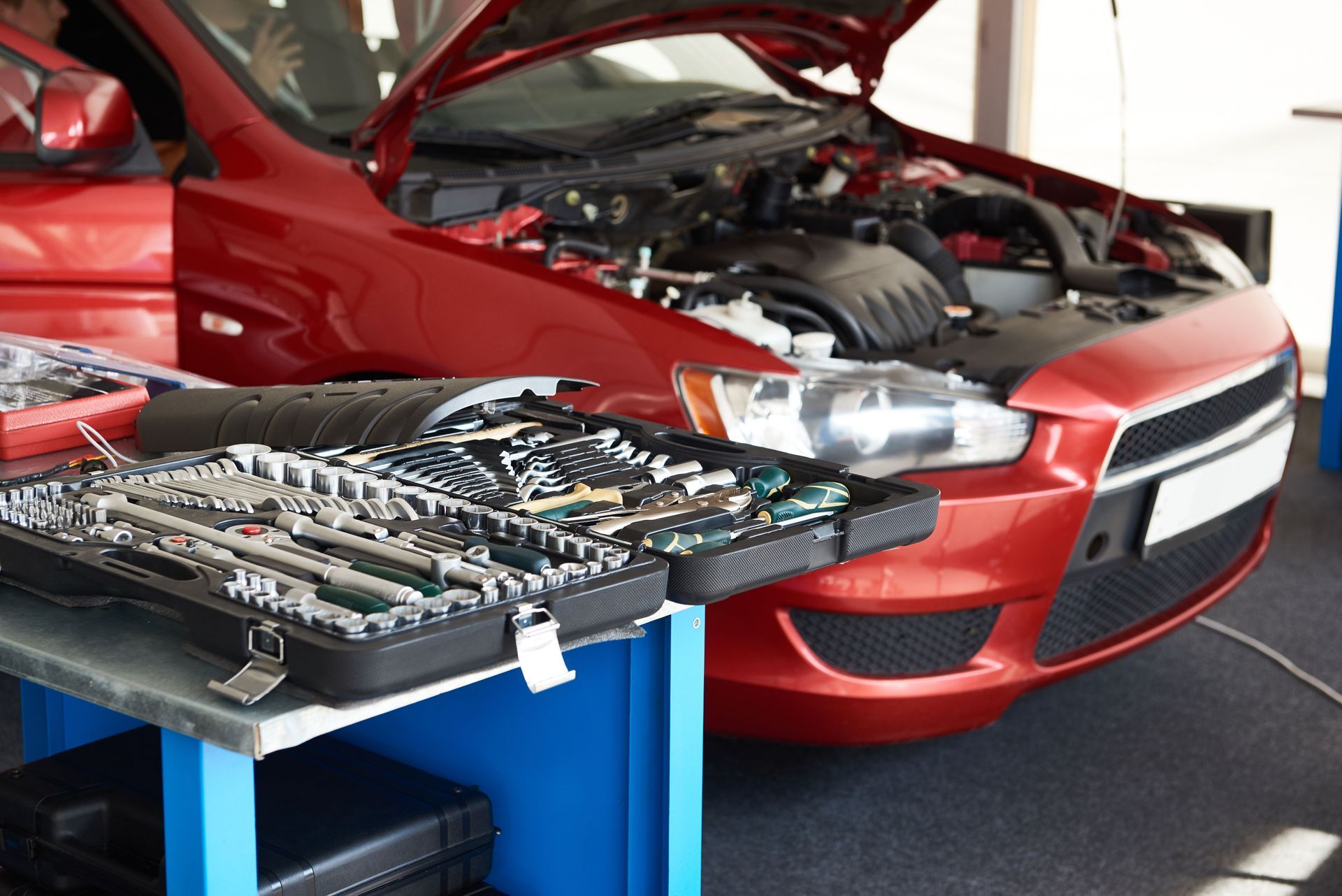
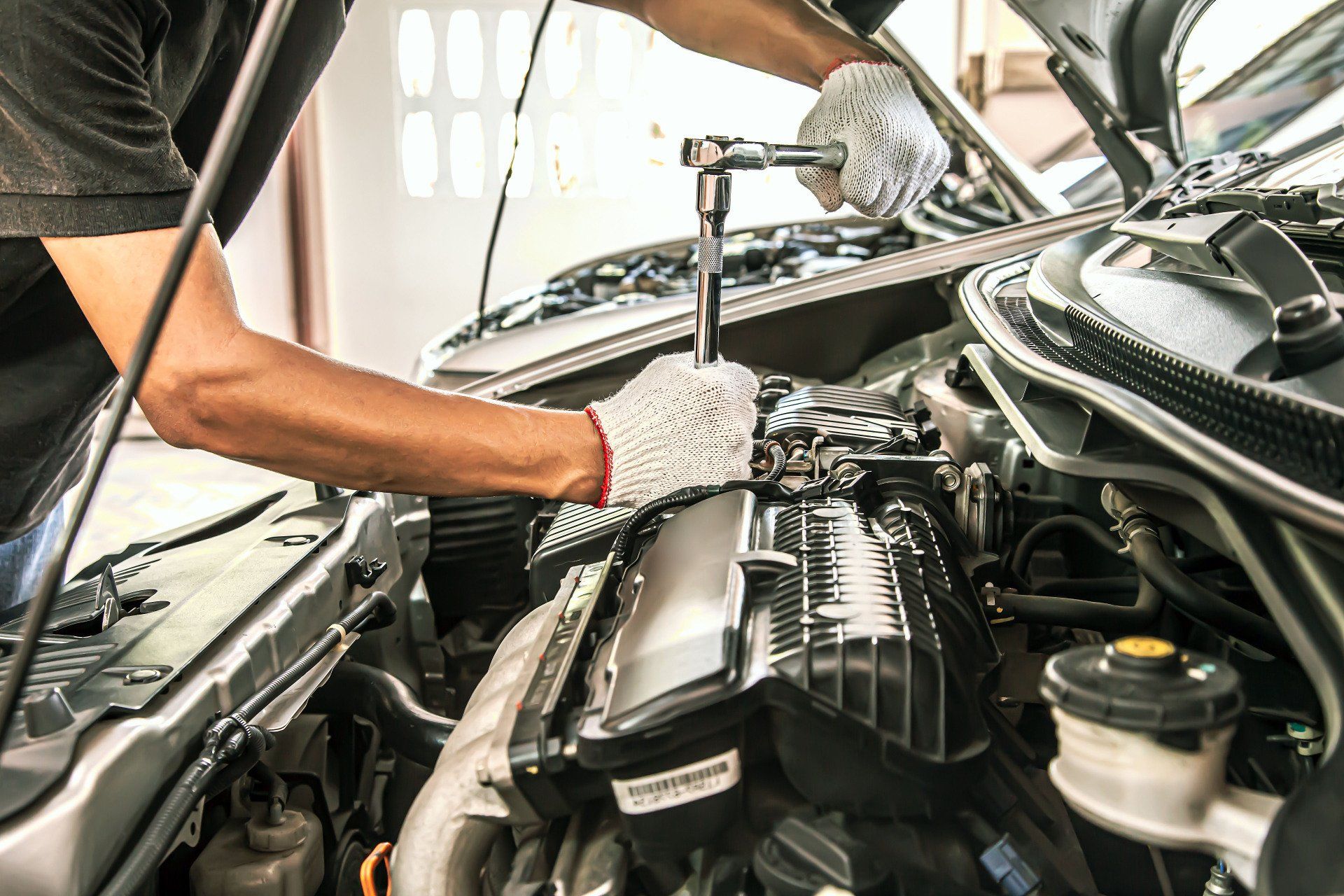
The rise of highly advanced diagnostic tools has empowered owners to maintain their aging vehicles in optimal working condition. Modern automotive facilities utilize computer-based technologies that make it incredibly easy to identify and resolve mechanical issues efficiently. This modern convenience reduces the traditional complexity associated with maintaining older automobiles, directly encouraging owners to extend the functional life of their prized cars. By scheduling preventative car repairs, drivers can keep their motors running smoothly for decades, making prolonged vehicle retention an extremely practical choice.
Prioritize Environmental Sustainability Goals
Broad environmental awareness has surged in contemporary society, deeply influencing average consumers to make much more sustainable choices regarding their daily transportation habits. Americans are now prioritizing specific actions that directly reduce their personal carbon footprints, such as driving their current automobiles longer instead of demanding new ones. The reduction of industrial emissions stands out as a strong motivator for eco-conscious individuals looking to preserve the natural world. Producing brand-new cars involves massive resource consumption, prompting many thoughtful drivers to choose longevity instead of shiny upgrades.
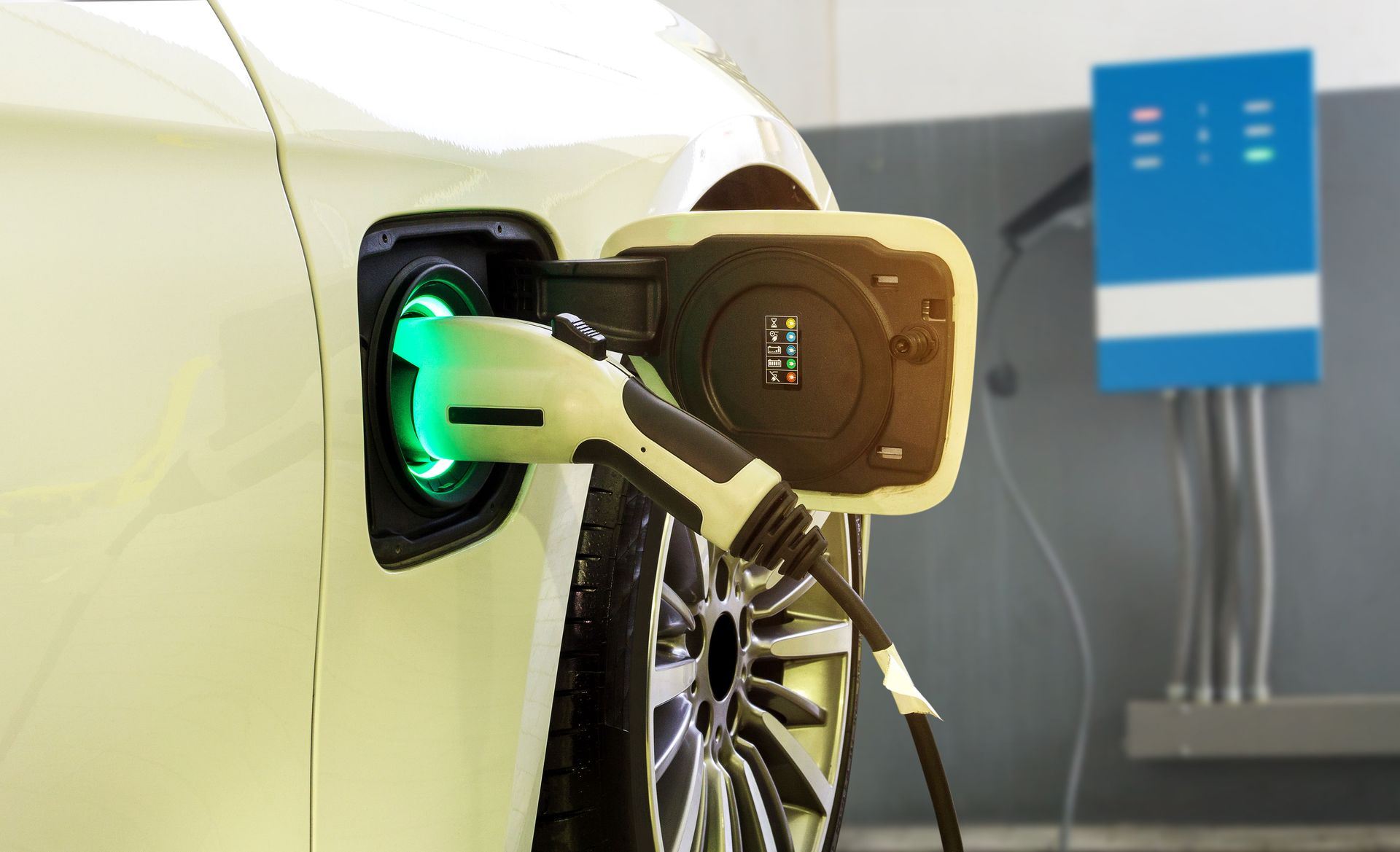
The deliberate reworking and mechanical upgrading of older automobiles to enhance fuel efficiency is steadily gaining mainstream popularity. By utilizing strategic car repair to integrate better exhaust components or efficient engine tuning, owners can significantly boost performance while remaining environmentally sound. This practical approach expands the functional life of the vehicle and serves as a perfectly feasible alternative to purchasing an expensive hybrid model. Embracing targeted mechanical adjustments showcases exactly how older machines can remain highly competitive and ecologically responsible in a rapidly changing world.
Evaluate Shifting Cultural Influences
Traditional attitudes regarding personal ownership are slowly shifting across the nation, deeply influenced by changing consumer values and broad social trends. While owning a brand-new automobile was once considered a vital badge of personal prestige, it is now increasingly viewed through a strictly practical and functional lens. This major evolution reflects a broader cultural shift toward modern minimalism, where the main focus remains on purpose rather than mere material possession. As these cultural perspectives change, the strong preference for extended vehicle retention easily emerges as the most rational choice.
Generational dynamics also play a pivotal role in shaping the specific patterns of vehicle retention observed on our roads today. Younger demographics often prioritize memorable experiences and deep sustainability over the relentless pursuit of material purchases, completely altering traditional consumerism narratives. These shifting priorities see younger drivers happily opting to maintain their existing rides, leaning heavily on trusted car repair to keep things rolling. This perception encourages individuals to prioritize a vehicle's functional attributes, easily removing the intense social pressure to constantly upgrade to a newer model.
Adapt to Transportation Infrastructure Changes
The current state and ongoing evolution of public transportation systems heavily dictate the regional rate of personal vehicle retention. In bustling urban areas equipped with highly efficient public transit options, the absolute reliance on a personal automobile dramatically diminishes over time. Because these individuals drive their cars less often, the mechanical wear and tear is significantly reduced, which directly contributes to much longer ownership periods between purchases. This basic variability highlights exactly how sweeping infrastructure developments can easily delay the average American’s decision to replace an aging vehicle.
The widespread rise of modern ride-sharing platforms has revolutionized personal transportation by impacting how often private vehicles actually hit the pavement. These flexible commuting solutions reduce daily vehicle reliance, preserving the mechanical health of primary household cars for much longer. Because many families view owning a secondary brand-new car as unnecessary, they simply prolong the utility period of the automobile they already have. For remaining transportation needs, drivers utilize professional car repair to effortlessly retain their aging cars as part of a balanced and reliable transport strategy.
The increasing age of vehicles driven across the country clearly illustrates a highly dynamic shift in American consumer behavior. Driven by complex economic challenges, remarkable leaps in structural engineering, and evolving environmental standards, drivers are discovering new value in their existing machines. This collective move toward extended retention completely reshapes the fundamental landscape of personal transportation, prioritizing smart maintenance over constant replacement. By carefully holding onto their trusted automobiles, everyday consumers can effectively balance their household budgets while simultaneously supporting critical ecological conservation efforts across the nation. Understanding these broad patterns allows society to better prepare for future transportation needs.
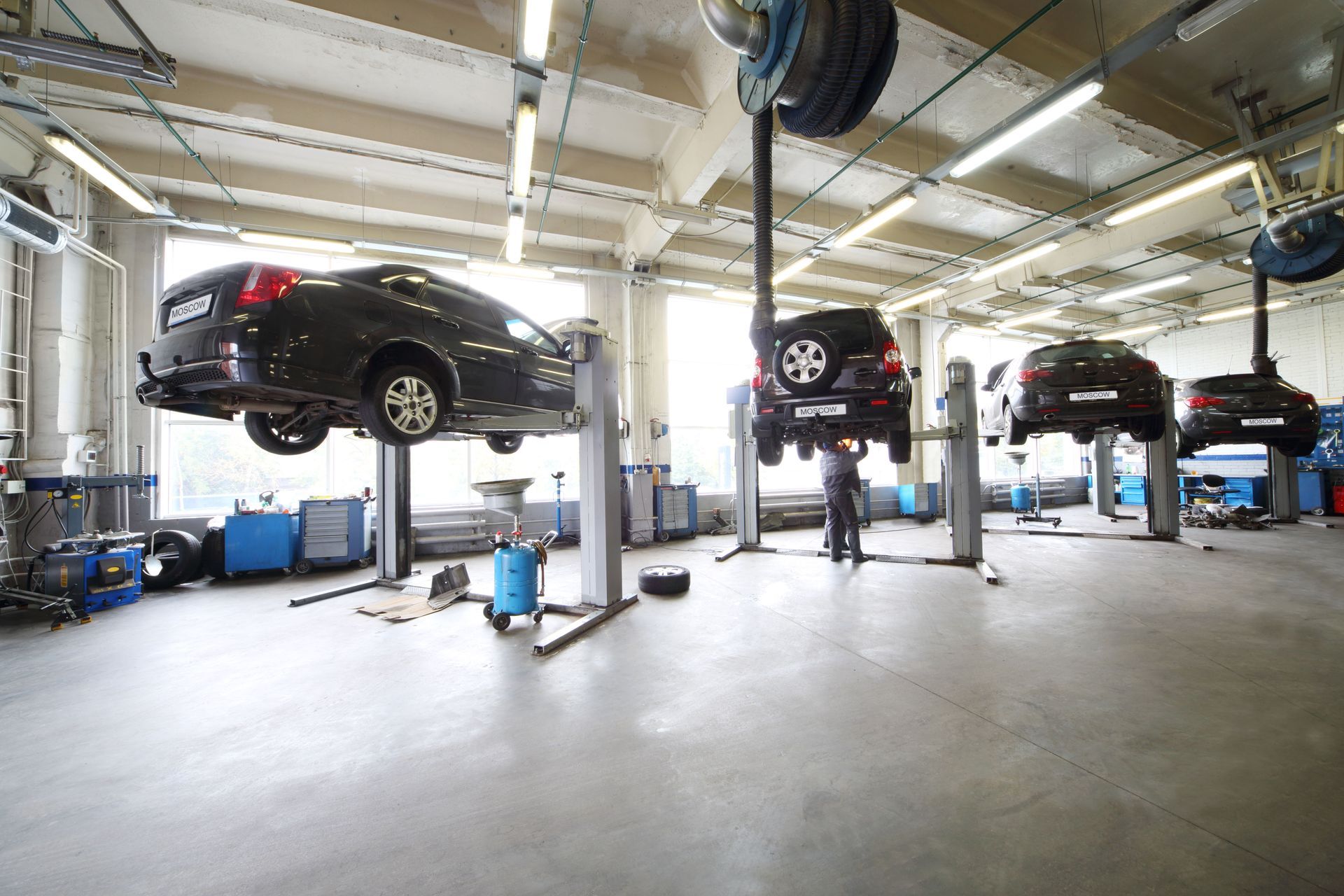
As the modern automotive industry continues to adapt to these shifting realities, the vital importance of proper mechanical maintenance will only grow over time. Prolonging the lifespan of any aging vehicle requires dedicated attention, expert knowledge, and a strong partnership with dependable automotive professionals. Ignoring minor mechanical issues can easily lead to sudden breakdowns, which defeats the economic purpose of keeping an older vehicle. If you need a simple maintenance check or comprehensive car repair, we encourage you to schedule an appointment with us at Autologic of Greensboro.

Share On: